
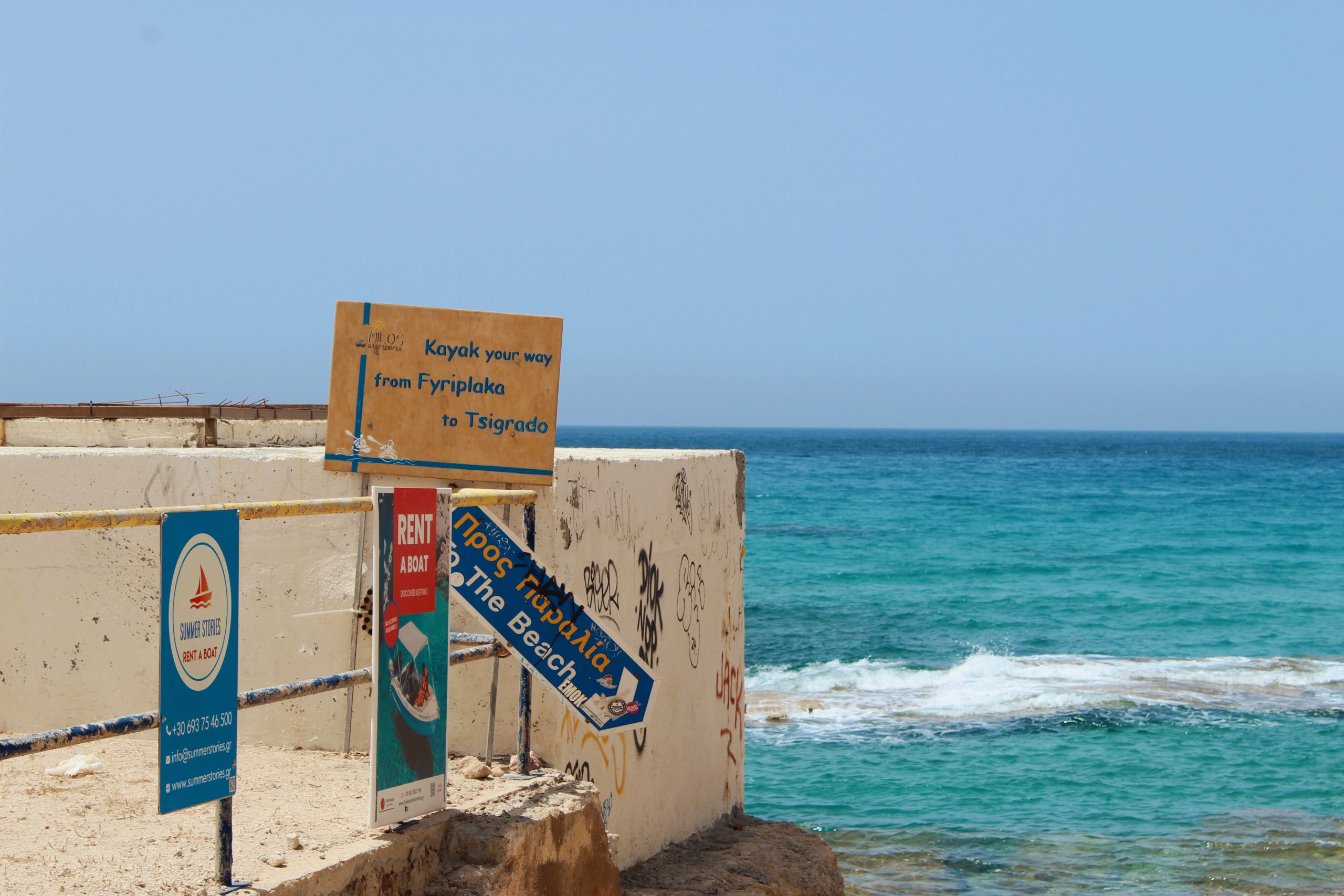
Greek island hopping looks dreamy — whitewashed villages, boat days, sunset dinners — but if it’s your first time visiting Greece, the logistics can definitely start to feel confusing, fast (I know it did for me!). Between ferry schedules, island choices, and TikTok itineraries that hop islands every two days, it’s easy to overthink the entire trip before you even book it. Where do you start? How many islands is too many? And how do ferries actually work?
This guide is designed to be your home base for planning a Greek island-hopping trip. Think of it as the big-picture roadmap: which island routes actually make sense for first-timers, how ferries work, and what to know before you go so you can plan with confidence instead of stress.
From here, you can dive deeper into specific island itineraries, hotels, and travel tips — without feeling overwhelmed.
If this is your first time visiting Greece, you’re in the right place.
Table of Contents
Quick Deets: Greek Island Hopping at a Glance
- Best island group for first timers: Cyclades
- Ideal trip length: 10–12 days
- Recommended islands: Paros, Milos, Santorini, Mykonos, Naxos
- Transportation: Ferries (mostly from Athens)
- Best starting point: Athens → Piraeus Port
- Best booking window: 3–6 months ahead for peak summer times
- Biggest mistake: Trying to do too many islands


What Does “Island Hopping” Actually Mean?
Island hopping in Greece almost always means traveling by ferry, not plane. The islands are grouped geographically, and ferries primarily run within those groups — which is why choosing the right cluster is so important.
For first-timers, the most beginner-friendly island group is the Cyclades. This is where you’ll find Santorini, Mykonos, Paros, Naxos, and Milos — all very easily connected, not overly complicated to navigate, and perfect for a first trip.
Sticking to one island group keeps ferry times shorter, routes simpler, and travel days far less exhausting.
Is Greek Island Hopping Stressful for First Timers?
Short answer: no — as long as you don’t overcomplicate it.
Greek island hopping gets a bad reputation because people try to do too much in too little time. When you pack in too many islands, book tight ferry connections, or schedule every hour of the day, it starts to feel stressful. But when you slow it down and build in flexibility, island hopping is surprisingly easy.
Plans can shift. You might pivot a beach day. That’s normal — and part of traveling in Greece. If you plan fewer islands and leave room to breathe, the trip feels relaxed, not chaotic.

How to Plan a Greek Island Hopping Trip (In the Right Order)
If you’re feeling overwhelmed, this is the simplest way to approach planning — and the order that causes the least stress.
- Choose your travel dates (season matters more than you think)
- Pick your island group (Cyclades for first-timers)
- Decide how many islands (usually 2–3)
- Book flights (ideally into Athens)
- Book ferries between islands
- Book accommodations near ports or town centers
Once those pieces are locked in, everything else — activities, restaurants, beach clubs — becomes fun instead of overwhelming. Planning out of order usually leads to backtracking or unnecessary stress.
When Is the Best Time to Go?
Greek island hopping is best done in the summer & shoulder months – when ferries are in full swing and the weather is perfect. Choosing what time to visit Greece really depends on what kind of trip you want — crowds, weather, prices, and ferry conditions all shift throughout the season.
- May–June is the sweet spot for first-timers. The weather is warm but not overwhelming, the islands feel lively without being packed, and ferry schedules are running regularly. End of May, early June is my favorite time to go!
- July–August is peak summer. Expect hot temperatures, higher prices, and crowded ferries — especially on popular islands like Paros, Mykonos, and Santorini. The energy is fun and social, but booking early and staying flexible is key.
- September is another great option. The water is still warm, crowds thin out, prices soften, and everything feels more relaxed — especially for a first trip.


Flying Into Greece: Why Athens Is the Smart Starting Point
If this is your first time visiting Greece, flying into Athens is almost always the smartest move — even if your final destination is an island.
Athens acts as a buffer. It gives you space to deal with flight delays, adjust to the time change, and ease into your trip without immediately racing to catch a ferry. While it is possible to fly directly into islands like Santorini or Mykonos, doing so leaves very little room for error — and that’s where most horror stories come from.
For that reason, it’s best to never schedule a ferry on the same day as your international flight. Plan to spend at least one night in Athens before hopping to your first island. Even if everything runs smoothly, you’ll be grateful for the slower start.
Think of Athens as your safety net — it keeps the beginning of your trip calm instead of chaotic.
How Long Should You Spend in Athens?
For first-timers, one to two nights in Athens is perfect.
This gives you time to see the highlights, enjoy the food scene, and ease into Greece before switching to island time. Plus you create a buffer before island hopping.
While most people think Athens is just a stopover — it’s so much more than that. Packed with history, incredible food, and great shopping, the city is so fun to roam around in. Plus, Athens is a compact city – it’s walkable and super easy to explore in a short window.
- Read more: Athens Travel Guide: Best Areas to Stay, Eat & Wander
- Itinerary: Athens Walking Guide: Acropolis, Agora & More, 36 Hours in Athens
- Hotels: Where to Stay in Athens: Coolest Neighborhoods & Best Hotels


How Greek Ferries Work (Without the Stress)
Most ferries to the Cyclades leave from Piraeus Port, which is about 45 minutes from central Athens by metro or taxi. It’s very straightforward once you’re there, but it’s helpful to know which ferry type you’re booking and what to expect.
Two major ferry types to know:
- Blue Star Ferries: These are the larger, traditional ferries. They’re slower, but much smoother and more stable—great if you’re prone to seasickness or just want a calmer ride. You’ll usually have more indoor space, cafés, and outdoor decks to move around.
- SeaJets: These are high-speed ferries that cut travel time significantly, which is great if you’re trying to maximize time on the islands. The trade-off is that they can be bumpier, especially on windy days, and tickets are usually more expensive.
High-speed ferries save time, but wind can make them rough (especially if you’re prone to seasickness). Weigh out those pros & cons and choose what makes the most sense for you and your group.
The easiest way to book ferries in Greece is through Ferryhopper. It lets you compare routes, ferry companies, and seat options all in one place, and you can easily see what days and times make the most sense for island hopping. We loved how simple it made planning—especially when juggling multiple islands—without having to bounce between different ferry websites.
👉 Internal link: How to Book Greek Ferries (Step-by-Step)

Is Greek Island Hopping Expensive?
It can be — but it doesn’t have to be!
Costs depend mostly on which islands you choose, when you go, and how fast you move. Santorini and Mykonos will always be pricier in peak summer, while Paros, Milos, and Naxos offer a wider range of price points.
Ferries typically cost anywhere from €30-90 ($35-105 USD) per leg, accommodations range from budget-friendly guesthouses to luxury hotels, and food is generally very reasonable compared to other European destinations. Eating well in Greece doesn’t require splurging — some of the best meals are casual, local spots.
The biggest budget killer is trying to do too many islands. Fewer ferry days means fewer transportation costs and more value out of each hotel stay.
How Many Islands Should You Visit?
This is the #1 first-timer mistake. For most first-timers, more than three islands starts to feel rushed. Every ferry day takes more time than you expect, especially when you factor in packing, check-outs, and transport.
My rule of thumb:
- 7–8 days: 2 islands
- 10–12 days: 3 islands
- 14 days: 3–4 islands max
Fewer islands means more actual vacation time — and a better experience overall.


How to Choose the Right Island Route for You
There’s no single “best” Greek island route — the best one is the one that fits your travel style.
Before choosing, ask yourself:
- Do I want nightlife or a slower pace?
- Do I care more about beaches or views?
- How much moving around feels enjoyable vs exhausting?
- How many days do I realistically have?
From there, the routes below make it easy to match vibe with logistics — without overthinking it.
Best Greek Island Routes for First Timers
Athens → Paros → Milos → Santorini
Best overall first-time route
This route hits the perfect balance of beaches, charming towns, and iconic views — without exhausting travel days.
- Athens (1–2 nights): culture, food, easy ferry access
- Paros: social but relaxed; beaches + Naoussa nights
- Milos: dramatic coastlines, boat-only beaches
- Santorini: cliffside views, romantic finale
This route works especially well if you want a mix of lively and laid-back without feeling rushed.
Related Guides:
- Paros: The Ultimate 3-Days in Paros Itinerary: Beaches, Bougainvillea & Boat Days
- Milos: 4 Perfect Days in Milos Itinerary: The Ultimate Guide
- Santorini: Ultimate Guide to 24-Hours in Santorini: Sunsets, Gyros, and Blue Domes


Athens → Mykonos → Paros → Naxos
Best for social energy + variety
This route works well if you want nightlife upfront, then slower beach days after.
- Mykonos: beach clubs, fashion, nightlife
- Paros: balance + recovery
- Naxos: large beaches, local feel, great food
Related Guides:
Athens → Milos → Paros
Best for shorter trips or slower travel
If you have about a week and want minimal logistics, this two-island combo is ideal. Fewer ferry days, less moving around, more time to actually enjoy where you are.
Related Guides:


Getting Around on Each Island
Transportation varies by island:
- Paros: ATV or scooter works well
- Milos: Rental car plus a boat day is ideal
- Naxos: Car recommended — it’s large
- Santorini: Transfers or taxis are easier than driving
Taxis exist but are limited, especially during peak season. If you’re relying on them, plan rides ahead through your hotel or local services. Rental vehicles should be booked early in summer.

What to Expect Once You’re There: Packing, Money, Weather & Safety
Luggage & Packing
Rolling suitcases are fine — just expect stairs and ferry ramps. Many boutique hotels don’t have elevators, so packing lighter than you think you need makes a big difference – you’ll likely be carrying them up flights of stairs.
And when it comes to packing, you’ll rewear outfits, live in swimsuits during the day, and find laundry services easily. We found a lot of our airbnbs would do laundry for a small fee. If you’re debating bringing something “just in case,” you probably won’t use it.
Money & Tipping
When it comes to money, credit cards are widely accepted at hotels, restaurants, and shops, but it’s still smart to carry some cash. Taxis, beach rentals, and smaller tavernas often prefer it. Tipping isn’t required, but rounding up or leaving around 5–10% for great service is appreciated — think of it as a thank-you, not an obligation.
Weather & Summer Winds
Weather-wise, the Meltemi wind typically shows up in summer, especially July and August. It can make some beaches windy and occasionally delay ferries, but it won’t ruin your trip. Windy days are perfect for wandering town, long lunches, shopping, or café hopping — which is why not overscheduling your days matters. For calmer seas and fewer crowds, May–June and September are ideal, with September being especially great for first-timers.
Safety
As for safety, Greece is very safe, including for solo travelers and women. Island towns are lively late into the night, and walking around after dinner is completely normal. Basic awareness is all you need — overall, Greece is one of the most relaxed places in Europe to travel.


Common First-Timer Mistakes to Avoid
Most Greece travel horror stories come from the same few mistakes — and they’re all easy to avoid.
- Scheduling a ferry the same day as an international flight
Flight delays happen. Ferries don’t wait. Always build in a buffer night. - Trying to visit too many islands
More islands doesn’t mean a better trip — it usually means more packing, more transit, and less enjoyment. - Overpacking
Stairs, ferries, and boutique hotels make heavy luggage more annoying than helpful. - Over-scheduling every day
Some of the best moments come from slowing down — long lunches, extra swims, spontaneous plans.
If you avoid these, you’re already ahead of the curve.
The Right Way to Think About Your First Trip to Greece
Greek island hopping doesn’t need to be complicated — especially on your first trip. The most important thing you can do is choose one island group, pick a logical route, and give yourself enough time to actually enjoy each stop instead of rushing through it.
But just as important is the mindset you bring with you.
Your first trip to Greece isn’t about seeing everything or following a perfect itinerary. Plans will shift. Ferries might run late. You’ll probably wish you had more time in one place and less in another — and that’s completely normal. Greece rewards flexibility, long meals, spontaneous swims, and letting days unfold without forcing them.
Think of this trip as an introduction, not a checklist. Use this guide as your foundation, then let the experience shape the rest. From here, you can dive deeper into individual island itineraries, hotels, and travel tips based on your own pace and travel style.
And fair warning: once you go, you’ll definitely want to come back!

Leave a Reply